Introduction
In the world of health care, few professions call for as distinct a mix of skills and expertise as that of a wound care expert. As the need for specialized care expands, so does the relevance of innovative training and experience in handling complex and persistent wounds. This article dives deep into the Essential Abilities Every Wound Care Specialist Should Master, giving an insightful guide that includes both foundational expertise and progressed methods essential to excel in this crucial field.
Why is Wound Treatment Important?
Wound care is not nearly recovery injuries; it has to do with improving clients' quality of life. Correct monitoring can prevent infections, lower hospitalization rates, and significantly enhance healing times. Provided the enhancing occurrence of persistent conditions such as diabetes mellitus, efficient wound treatment has actually become an important component of modern healthcare.
Understanding the Function of Injury Care Specialists
What Does an Injury Care Professional Do?
A wound care specialist focuses on evaluating, identifying, and dealing with numerous kinds of injuries. Their function extends past straightforward wound dressing; they utilize evidence-based practices to handle both severe and persistent wounds efficiently. This includes creating thorough therapy strategies tailored to individual person needs.
Importance of Wound Care Expert Training
To become efficient in this specialty, professionals typically undertake considerable wound care training for nurses or pursue specialized wound care training courses These programs cover crucial topics like anatomy, physiology, infection control, and progressed treatment modalities.
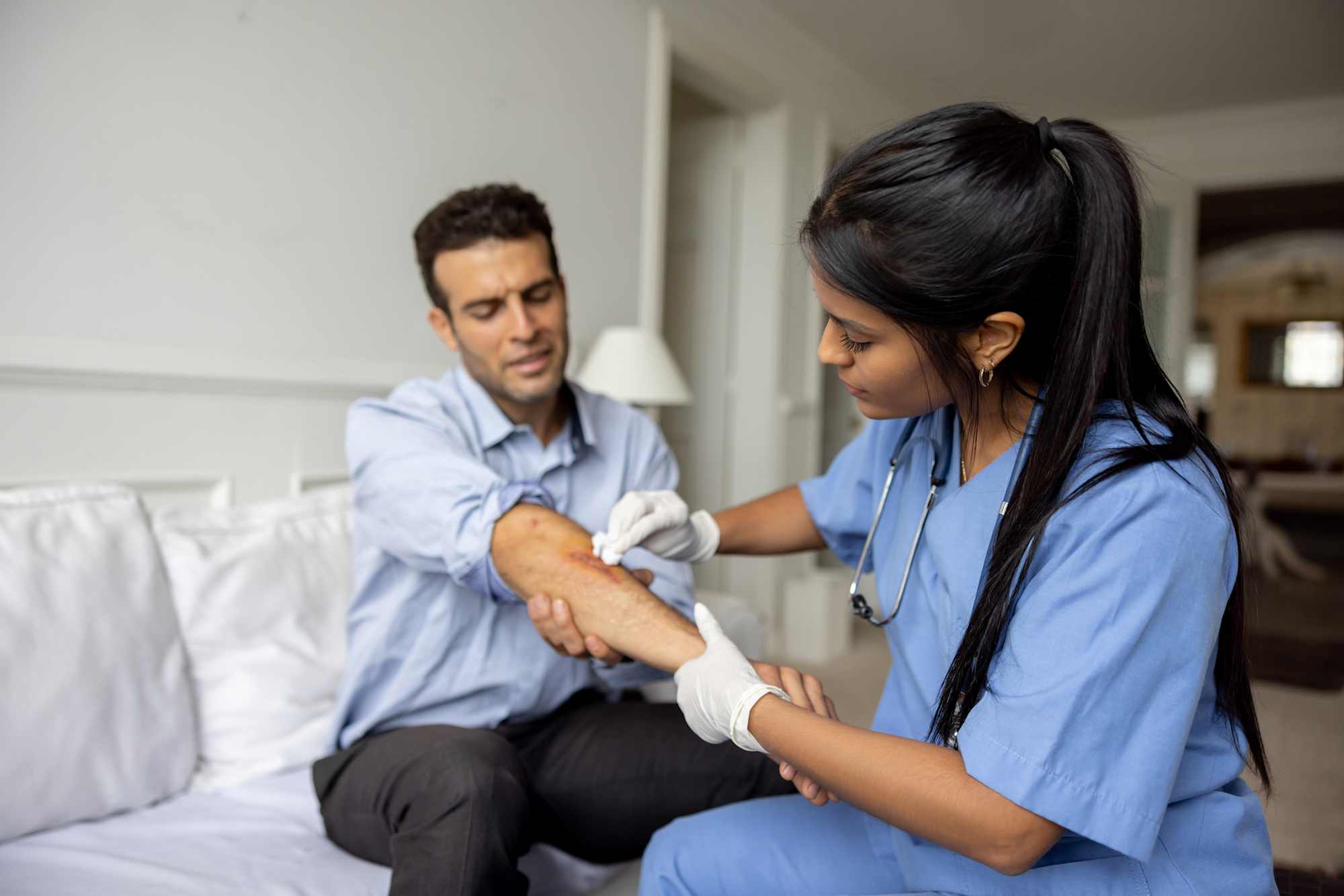
Essential Skills Every Wound Treatment Expert Must Master
1. Comprehensive Understanding of Makeup and Physiology
Understanding human makeup is essential for any kind of doctor. For injury treatment professionals, it's important to comprehend how different body systems communicate during the healing process.
- Skin Structure: Knowledge with skin layers (epidermis, dermis) helps evaluate injury depth. Healing Phases: Acknowledging swelling, proliferation, and maturation stages guides therapy decisions.
2. Expertise in Persistent Wound Care Management
Chronic injuries present special difficulties that need customized understanding:
- Types of Persistent Wounds: Diabetic ulcers, venous ulcers, pressure injuries-- each calls for various approaches. Assessment Techniques: Knowing how to measure wound dimension and assess exudate degrees is vital.
3. Advanced Treatment Modalities
Wound care isn't one-size-fits-all; specialists must understand different treatment options:

- Debridement Techniques: Recognizing sharp debridement vs. enzymatic debridement can influence healing outcomes. Dressings: Knowledge with hydrocolloid dressings versus alginate dressings help in picking suitable products.
4. Patient Analysis Skills
Accurate analysis is crucial to successful therapy:
- Visual Assessment: Being able to recognize indications of infection or necrosis quickly. Patient History: Collecting extensive medical history helps customize injury management strategies.
5. Infection Control Practices
Infection avoidance is vital in injury monitoring:
- Sterile Techniques: Utilizing appropriate hand hygiene and sterile clothing changes lower infection risks. Recognizing Infection Symptoms: Recognizing when a wound has actually become contaminated makes certain timely interventions.
Wound Treatment Training for Nurses
Importance of Specialized Education
Nurses play an essential role in individual treatment teams. Specialized education and learning through programs like basic wound care training equips them with practical abilities needed for reliable individual management.
Curriculum Overview
Typical courses may include:
- Basic concepts of wound healing Different kinds of dressings Infection control protocols Pain administration strategies
Wound Care Nurse Educating Programs
Certification Alternatives Available
Several qualifications are acknowledged within the area:
|Certification Name|Company|Period|| -------------------------------------|---------------------------|---------------------|| Certified Wound Treatment Nurse (CWCN)|WOCN Society|Differs|| Certified Injury Expert (CWS)|American Academy of Injury Management|Differs|
These accreditations confirm knowledge and boost expert wound care specialization training credibility.
Complex Wound Care Management Skills
Defining Facility Wounds
Complex injuries commonly entail several variables such as comorbidities or significant cells loss needing innovative interventions.
Advanced Strategies for Management
Negative Pressure Wound Therapy (NPWT):- Accelerates recovery by applying suction to the wound site.
- Utilize human cells or engineered skin replacement for optimum healing environments.
Legal Facets in Wound Treatment Management
Understanding Range of Practice
Wound care experts have to stay educated about lawful standards governing their techniques:
- Documentation: Precise document keeping safeguards versus liability. Informed Consent: Constantly ensure clients understand treatments before proceeding.
FAQs Regarding Crucial Skills Every Injury Treatment Specialist Ought To Master
What credentials do I need to end up being an injury treatment specialist?
Most settings call for at least a registered nurse license incorporated with specialized training in wound care management through identified courses or certifications.

How long does it require to complete wound care training courses?
Course durations vary commonly; some may be finished in a couple of weeks while others might take numerous months depending on the depth of content covered.
What are some usual types of dressings made use of in injury management?
Common dressings consist of hydrocolloid dressings, foam dressings, alginate dressings, and transparent films-- each serving details objectives based on the kind and problem of the wound.
Can I focus on wound care while still functioning full-time?
Yes! Several curricula use online or part-time alternatives ideal for functioning professionals seeking innovation in their careers without sacrificing their current roles.
What duty does nutrition play in chronic injury management?
Nutrition substantially influences recovery; sufficient protein intake supports cells repair work while hydration promotes flow-- crucial variables for efficient persistent wound management!
Are there details devices I must know with as an injury care specialist?
Yes! Trick tools consist of determining devices for analyzing wounds (like digital planimeters), debridement instruments (scissors or scalpels), and various sorts of clothing products fit to different wounds.
Conclusion
Embarking on a profession as an injury care professional uses various chances to make an extensive effect on people' lives by promoting much faster healing times through ingenious services customized to private needs. By understanding these crucial abilities laid out above-- from extensive assessments and advanced treatment strategies to recognizing legal ramifications-- experts can position themselves as trusted authorities within this vital health care niche.
The trip towards coming to be an expert in this field needs dedication with ongoing education and learning like specialized registered nurse training programs concentrated especially on complex persistent conditions together with continuous method improvement initiatives focused on boosting general individual outcomes over time! So if you're thinking about taking your clinical profession up a notch by welcoming one-of-the-most fulfilling specializeds today ... dive right into those crucial skills every new & & seasoned specialist must master!