Introduction

In the dynamic field of medical care, wound care has emerged as an important element of client administration. With millions of people experiencing wounds yearly, the demand for experienced professionals, especially nurses learnt extensive injury care, has never been even more evident. This write-up looks into the significance of extensive wound care training for nurses, exploring its effects on individual results, health care efficiency, and the general quality of care provided.
The Value of Comprehensive Wound Care Training in Nursing
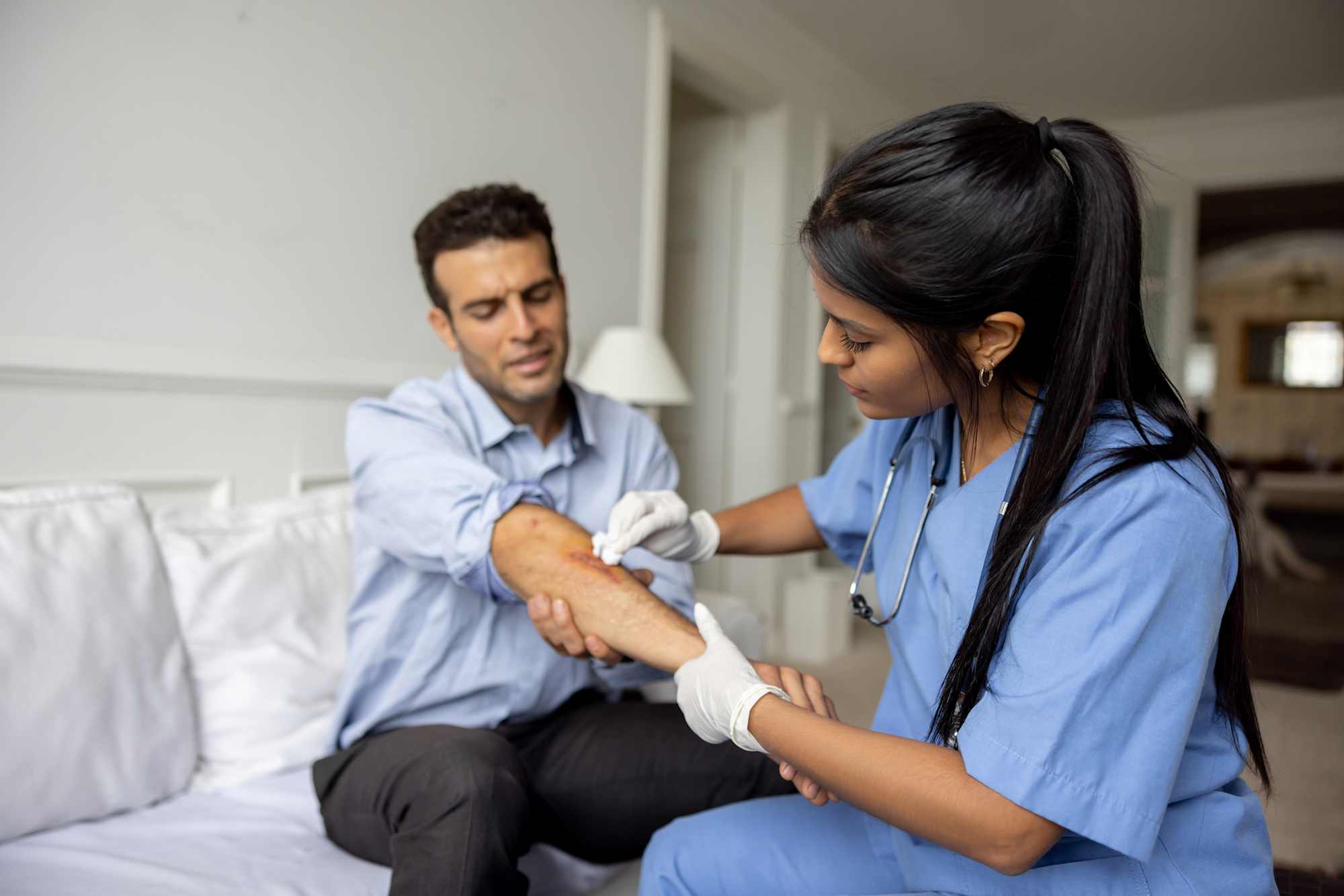
Wound treatment is not simply regarding using dressings; it's a detailed process that needs specialized expertise and abilities. Comprehensive wound care training outfits registered nurses with the tools needed to evaluate, identify, and take care of a selection of wounds properly. This training includes everything from fundamental injury care concepts to complicated chronic injury management.
What Is Injury Treatment Specialist Training?
Wound treatment expert training is an organized educational program created to give healthcare specialists with the sophisticated expertise required to excel in taking care of injuries. This curriculum normally covers:
- Anatomy and Physiology: Recognizing skin structure and function. Types of Injuries: Separating in between severe and persistent wounds. Assessment Strategies: Discovering how to assess injuries accurately.
This specialized training is critical for creating a deep understanding of wound recovery procedures and issues connected with various kinds of wounds.
Why Is Wound Care Training Crucial for Nurses?
Nurses are typically on the frontline when it involves patient care. They play a pivotal function in determining prospective issues early on. Reliable wound care training helps registered nurses:
Enhance Individual Results: Effectively trained nurses can dramatically decrease infection prices and enhance recovery times. Increase Efficiency: Knowledgeable staff can improve procedures associated with clothing changes and assessments. Boost Self-confidence: Well-trained registered nurses are extra certain in their capabilities, which favorably impacts individual interactions.Wound Treatment Training Courses Available
In today's educational landscape, various programs are offered for nurses looking for to improve their abilities in wound management. These courses differ extensively based on content depth, period, and shipment method:
- Basic Injury Treatment Training: Focuses on fundamental ideas appropriate for all nursing levels. Advanced Courses: Target experienced registered nurses looking to specialize further. Online Certifications: Deal adaptability for working professionals.
Each program intends to empower registered nurses with practical skills they can use straight in medical settings.
Understanding Chronic Wound Care Management
Chronic injuries existing special challenges because of their extended essential wound care training nature. Conditions such as diabetes or venous lack typically lead to complicated injury circumstances needing specialized treatments. Comprehensive training enables registered nurses to understand:
- The underlying causes adding to chronicity. Evidence-based methods for efficient management. Patient education and learning strategies aimed at protecting against recurrence.
The Duty of NDIS in Wound Treatment Management
The National Impairment Insurance System (NDIS) plays a considerable function in making sure that people with handicaps obtain ideal health care services including wound monitoring. Nurses trained under this framework are much better geared up to navigate obstacles presented by these clients' one-of-a-kind needs.
Innovative Strategies in Injury Care Management
With improvements in clinical innovation, innovative methods have actually emerged that redefine traditional methods in wound monitoring:
Negative Stress Wound Treatment (NPWT): Enhances healing by using sub-atmospheric stress at the injury site. Biologic Dressings: Use living cells or tissues that advertise healing. Telehealth Solutions: Permit constant monitoring and appointment without physical visits.
Nurses efficient in these developments are indispensable assets within any type of medical care setting.
The Influence on Interdisciplinary Collaboration
Effective injury care typically requires collaboration amongst numerous doctor consisting of doctors, physio therapists, and dietitians. Nurses trained in extensive injury monitoring can assist in communication between staff member which enhances individual outcomes with collaborated efforts.
Challenges Dealt with Without Appropriate Training
Without adequate training, registered nurses may encounter several challenges when taking care of injuries:

- Inaccurate analyses bring about inappropriate therapy plans. Increased danger of infections due to improper clothing techniques. Difficulty educating people regarding self-care methods post-discharge.
These obstacles underline the requirement of detailed education programs made particularly for nursing experts associated with injury treatment management.
Frequently Asked Inquiries (Frequently asked questions)
1. What credentials do I need for wound care nurse training?
To enlist in most wound care training programs, candidates normally call for a legitimate nursing license together with some medical experience.
2. How much time does it require to finish basic wound treatment training?
Basic programs can vary from one day workshops to numerous weeks depending upon the educational program offered by organizations or organizations giving training.
3. Can I seek on-line accreditation for advanced wound care?
Yes! Lots of approved companies supply online certifications that cover sophisticated subjects suitable for knowledgeable nursing specialists trying to find flexibility while studying.
4. What is consisted of in complex wound care management training?
Complex wound care management includes advanced analysis strategies, therapy techniques details to persistent problems like ulcers or medical injuries, and efficient communication abilities tailored towards interdisciplinary teams.
5. Are there details standards that govern NDIS-funded services connected to wound care?
Yes! NDIS has actually developed guidelines describing service stipulations guaranteeing individuals get ideal support tailored particularly in the direction of their needs including those calling for considerable wound monitoring interventions.
6. Exactly how does extensive training effect my career as a nurse?
Comprehensive training enhances your skill set making you much more competitive within your field while additionally improving task complete satisfaction via raised proficiency when managing tough situations involving clients struggling with various types of wounds.
Conclusion
In final thought, The Value of Comprehensive Wound Care Training in Nursing can not be overstated; it is crucial not simply for boosting private registered nurse expertise but additionally improving total person health and wellness results within healthcare facilities or area setups alike! As healthcare proceeds developing toward a lot more specific roles concentrated around high quality instead of quantity alone-- wound care know-how will undoubtedly serve as one key differentiator amongst nursing professionals aiming excellence within this specialty area!
By investing time into specialist advancement through trusted programs covering both basic strategies alongside advanced approaches-- the nursing labor force stands poised ready take on future difficulties head-on while providing outstanding degrees helpful solution anywhere required most!